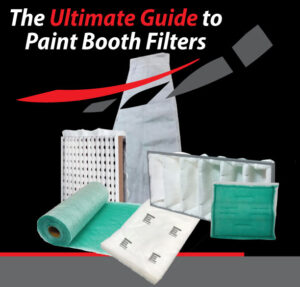
The Ultimate Guide to Paint Booth Filters
When it comes to achieving a flawless finish in automotive, industrial, or commercial painting, one of the most important elements in your spray booth is the filter system. Paint booth filters ensure clean airflow, capture overspray, and maintain compliance with environmental and safety regulations. Understanding the types of spray booth filters, how often they should be replaced, and which filter sizes fit specific spray booth brands is essential for shop efficiency and paint quality.
This ultimate guide will walk you through the different kinds of paint booth filters, the paint booth filter lifespan, brand-specific filter options for some of the most common paint booth manufactures like Garmat, Blowtherm, and GFS (Global Finishing Solutions), and best practices for spray booth filter replacement.
Why Paint Booth Filters Matter
Every spray booth relies on a proper filtration system to keep contaminants out and capture paint overspray. Without quality filters, dirt and debris can land on your work surface, reducing paint quality and requiring costly rework. Additionally, exhaust filters prevent harmful particles from entering the environment, keeping your shop safe and compliant.
A well-maintained filter system improves airflow, reduces energy costs, and extends the lifespan of your spray booth equipment.
Types of Spray Booth Filters
Paint booth filters can be divided into several categories, each serving a specific purpose:
Pre-filters are the first line of defense. Installed in the air intake system, they capture large dust particles before they reach the final intake filters. These filters help extend the life of other filters and ensure cleaner airflow.
Intake filters clean the air entering the spray booth, removing fine dust and contaminants that could ruin a paint job. They are crucial for maintaining a dust-free environment.
Exhaust filters trap overspray before it leaves the booth, protecting the environment and ensuring compliance with safety regulations. They typically consist of fiberglass or polyester media designed to capture paint particles.
Secondary Exhaust Filters
Some booths require an additional stage of exhaust filtration to meet stricter environmental requirements. These filters provide an extra layer of protection, ensuring harmful particles don’t escape into the atmosphere. These filters also help protect vital components within your exhaust system like fans and ductwork from paint buildup and damage.
Paint Booth Filter Lifespan
The paint booth filter lifespan depends on booth usage, paint type, and shop conditions. On average:
- Pre-filters: Replacement is suggested every month to 2 months depending on brand of equipment.
- Intake filters: Replace once a year for blanket style filters or 2 times a year for panel filters. In high humidity and dirty areas, you may need to change them twice as often each year.
- Exhaust filters: Replace every 80–100 spray hours or when airflow drops.
- Secondary exhaust filters: Replace every month or as required by regulations.
Performing routine spray booth filter replacement ensures consistent airflow and prevents costly downtime. Always monitor airflow gauges, as a pressure drop often indicates it’s time to change filters.
Garmat Paint Booth Filters
Garmat paint booths are widely used in the automotive industry and require specific filter sizes for optimal performance.
- Pre-filters: The majority of garmat paint booths have a mesh filter that can be washed, if damaged, they need to be replaced.
- Intake filters: Standard sizes include 38” x 107” and 38”” x 62” filter blankets. Some older booths also use a 38” x 65” blanket filter. Depending on the length of the booth, between 10 and 14 filters will be used.
- Exhaust filters: Garmat booths commonly use fiberglass or polyester roll material in 41”
width but other sizes are also possible. In Tower style booths, a sock or bag filter is used. 4 Garmat tower bag filters are needed per change.
Blowtherm Paint Booth Filters
Blowtherm booths are designed for efficiency and high-quality finishes, requiring proper filter maintenance.
- Pre-filters: bag filters are used to capture dirt and contamination before passing through the intake filter. They should be changed monthly. Common sizes are 23.25” x 47” x 8” for automotive booths and 19.5” x 36.75” x 10” for truck booths
- Intake filters: Common intake blankets are used in many sizes. Sizes include 68.5” x 134”, 68.5” x 76”, 76” x 78” and 78” x 134”
- Exhaust filters: Typically polyester or fiberglass roll material is used for paint overspray.
- Secondary exhaust filters: bag filters are used to capture dirt and contamination before passing through the intake filter. They should be changed monthly. Common sizes are 23.25” x 47” x 8” for automotive booths and 19.5” x 36.75” x 10” for truck booths
The paint booth filter lifespan for Blowtherm booths varies, but routine inspections every 2–4 weeks are essential for maintaining airflow and compliance.
GFS (Global Finishing Solutions) Paint Booth Filters
GFS paint booths are highly customizable, but they still rely on the same basic types of spray booth filters.
- Pre-filters: Used to capture large dust particles. Bag filters are used and are most commonly 23.25” x 47” x 8”
- Intake filters: Common GFS ceiling filters are blankets. Some may also be panel filters with a wire framework. All sizes can be found here.
- Exhaust filters: Polyester or fiberglass roll material is the most common for capturing paint overspray
- Secondary exhaust filters: Bag filters are used and are most commonly 23.25” x 47” x 8”.In some GFS models, multi-stage filtration includes carbon filters for VOC capture.
Regular spray booth filter replacement in GFS booths prevents overspray buildup and ensures maximum efficiency.
Other Paint Booth Filters
Many paint booth types exist in the market and other types of filters are used to clean the air and capture overspray.
- Intake filters: Some booths that are not heated or do not have a make up air system use panel filters in the doors. Two types of filters are mainly used for these: R1 panel filters, and green tacky filters. These filters have internal wire frames to support the material.
- Exhaust filters: Similarly, many booths use fiberglass pads or polyester pads to capture paint overspray. These are normally located along a back wall, along a side wall, or in towers at the end of the booth.
Many of these filters are found in industrial style and open face booths but 100’s of types of filters are available for paint booths.
Signs It’s Time for Spray Booth Filter Replacement
Even if you track hours of use, knowing the warning signs of filter failure is crucial:
- Reduced airflow or uneven airflow patterns
- Visible dirt or discoloration on filter surfaces
- Increased dust or debris in finished paint jobs
- Rising pressure readings on airflow gauges
Ignoring these signs can shorten your paint booth filter lifespan, reduce booth performance, and compromise paint quality.
Best Practices for Maximizing Filter Performance
- Create a filter replacement schedule: Stick to a consistent timeline based on usage and manufacturer recommendations.
- Monitor airflow gauges: They provide real-time insights into filter health.
- Stock replacement filters: Keep the right filter sizes for your booth brand (Garmat, Blowtherm, GFS) in inventory to avoid downtime.
- Train staff: Ensure your team understands the importance of regular spray booth filter replacement.
Maintaining your spray booth filters is not just about compliance—it’s about protecting your investment and delivering high-quality paint finishes. By understanding the types of spray booth filters, monitoring paint booth filter lifespan, and performing timely spray booth filter replacement, you can extend the life of your equipment, improve efficiency, and keep your customers happy.
Whether you operate a Garmat, Blowtherm, GFS or another manufactured paint booth, using the right filters and replacing them on schedule ensures your shop runs smoothly and produces professional results every time.
 Spray Booth Filters Near Me: Fast Shipping & Sizing
  Different Types of Air Filter Roll Material Explained
  The Best Intake Filters for Flawless High-Gloss Finishes
 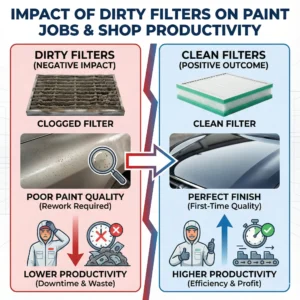 The Impact of Dirty Filters on Paint Jobs and Shop Productivity
 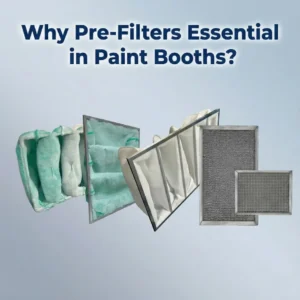 What Are Pre-Filters and Why Are They Essential in Paint Booths?