How Paint Booth Filters Drive OSHA & EPA Compliance: An Essential Guide
In any industry that involves spray painting—from automotive refinishing to large-scale manufacturing—the paint booth is the heart of the operation. While often recognized for creating a controlled environment for a flawless finish, its most critical function is serving as the primary line of defense for worker safety and environmental protection. At the center of this protective capability are paint booth filters. This guide explores the essential role of filtration systems in achieving and maintaining compliance with key regulatory bodies like the Occupational Safety and Health Administration (OSHA) and the Environmental Protection Agency (EPA), demonstrating how the right filters are not just an operational necessity but a legal and strategic imperative.
More Than Just a Clean Finish: Quality, Safety, and Legal Imperatives
Effective filtration extends far beyond preventing dust from marring a fresh coat of paint. A properly functioning system directly impacts product quality by eliminating contamination that leads to costly rework. Simultaneously, it captures harmful particulates and volatile organic compounds (VOCs), ensuring the air inside the booth is safe for technicians to breathe. This dual function of protecting both the product and the person is foundational to a successful painting operation.
Why Compliance is Non-Negotiable for Paint Operations
Failure to comply with OSHA and EPA regulations is not an option. Violations can result in severe financial penalties, operational shutdowns, and significant legal liability. Beyond the direct costs, non-compliance damages a company’s reputation and puts employees at risk of serious health issues. Therefore, investing in a high-quality filtration system is a proactive measure to mitigate risk, ensure operational continuity, and uphold a commitment to corporate responsibility.
The Regulatory Landscape: Understanding OSHA, EPA, and NFPA Requirements
Navigating the complex web of regulations governing spray booths can be challenging. However, three key agencies set the standards for safety and environmental stewardship: OSHA, the EPA, and the National Fire Protection Association (NFPA). A compliant filtration system is designed to meet the distinct but interconnected requirements of all three.
OSHA Standards: Protecting Workers from Hazardous Exposures
OSHA’s primary mission is to ensure safe and healthful working conditions. In the context of paint booths, standards like 29 CFR 1910.107 (Spray finishing using flammable and combustible materials) and 1910.94 (Ventilation) are paramount. These regulations mandate adequate ventilation and filtration to control exposure to hazardous substances. Effective paint booth filters are crucial for keeping airborne contaminant concentrations below OSHA’s Permissible Exposure Limits (PELs), directly protecting workers from respiratory and other health hazards.
EPA Regulations: Safeguarding the Environment from Emissions
The EPA regulates the emission of pollutants into the atmosphere. For painting operations, this primarily involves controlling the release of overspray particulates and VOCs, which are considered Hazardous Air Pollutants (HAPs). Regulations such as the National Emission Standards for Hazardous Air Pollutants (NESHAP) 40 CFR Part 63, Subpart, set strict limits on emissions. High-efficiency exhaust filters are the primary tool for achieving compliance, capturing paint particles before they can exit the facility and pollute the environment.
NFPA 33: Mitigating Fire Hazards in Paint Spray Booths
NFPA 33 provides the standard for spray application using flammable or combustible materials. While not a government agency, its codes are widely adopted into law and referenced by OSHA. NFPA 33 dictates requirements for booth construction, ventilation, and airflow to prevent the accumulation of flammable vapors and residues. Properly maintained filters are essential, as clogged filters can restrict airflow, increasing the risk of a fire or explosion.
How Paint Booth Filters Work
A compliant filtration system is more than a single screen; it’s an engineered process designed to manage airflow and capture contaminants in stages. Understanding how these components work together is key to ensuring the entire system functions effectively to meet regulatory demands.
The Complete Paint Booth System: From Intake to Exhaust
A paint booth is a sealed environment where air movement is meticulously controlled. Air is drawn into the booth through intake filters, flows through the cabin where painting occurs, and is then pulled out through a series of exhaust filters. This controlled airflow, facilitated by the ventilation system, is designed to direct overspray and fumes away from the technician and the workpiece and toward the capture filters.
The Journey of Particulates and Fumes Through Filtration Stages
As contaminated air moves toward the exhaust plenum, it passes through multiple filtration stages. This multi-stage approach is designed for maximum efficiency. Larger particles are trapped first, which protects the finer, more expensive final-stage filters from premature clogging. This layered defense ensures that by the time the air is vented outside, it is free of harmful overspray particulates.
Essential Filter Types and Specific Compliance Functions
Different filters within a spray booth have distinct roles in maintaining air quality, protecting equipment, and ensuring regulatory compliance. Selecting the correct type of filter for each stage is critical for the system’s overall performance.
Intake Filters: Ensuring Clean Air and Protecting Product Quality
Intake filters are the first stage of filtration, cleaning the air before it enters the spray booth. Their primary role is to prevent dust and other external contaminants from entering the painting environment, which is vital for achieving a high-quality, defect-free finish and reducing the need for rework. From a compliance perspective, they contribute to better internal air quality, supporting OSHA’s goal of a healthier workspace for employees.
Exhaust Filters (Overspray Arrestors): The Primary Barrier Against Emissions
Exhaust filters, also known as overspray arrestors, are the most critical component for EPA compliance. Positioned in the exhaust plenum, their job is to capture wet paint and primer overspray particles before they can accumulate in the exhaust stack or be released into the atmosphere. The EPA often mandates that these filters achieve a minimum of 98% capture efficiency to meet emission standards.
Specialized Filters for Advanced Compliance
For operations using coatings with high VOC content or in areas with stringent air quality regulations, specialized filters may be necessary. Activated carbon filters, for example, as a final stage to adsorb VOCs and chemical fumes, effectively removing odors and gaseous pollutants that particulate filters cannot capture. This provides an additional layer of environmental protection and can be essential for meeting the strictest local regulations.
The Unseen Drivers of Compliance: Airflow, Pressure, and Performance Monitoring
Effective filtration is not just about the filters themselves; it’s about how they perform within the larger system. Airflow dynamics and diligent performance monitoring are the invisible forces that ensure a paint booth remains compliant.
The Balanced Airflow in Regulatory Compliance
Proper airflow velocity and direction are mandated by both OSHA and NFPA 33. The ventilation system must be powerful enough to create a consistent flow of air that captures overspray and directs it toward the exhaust filters. If airflow is too weak, hazardous fumes can linger in the worker’s breathing zone. If filters become clogged, airflow is restricted, compromising both safety and finish quality.
Monitoring Filter Performance with Pressure Gauges
A manometer or pressure gauge is an essential tool for compliance. It measures the difference in static pressure before and after the filter bank. As filters load with paint overspray, the pressure drop across them increases. This reading provides a clear, data-driven indication of when filters reach the end of their service life and require replacement, ensuring the system operates within the designed airflow specifications
Proactive Maintenance: The Cornerstone of Sustained Compliance
Installing a compliant filtration system is only the first step. A rigorous and documented maintenance program is essential for ensuring the system continues to perform as designed and provides proof of due diligence during regulatory inspections.
Developing a Robust Paint Booth Filter Maintenance Schedule
A formal maintenance schedule, based on booth usage, paint volume, and manufacturer recommendations, is crucial. This schedule should dictate regular inspections and planned filter change-outs. Proactive replacement prevents filters from becoming fully clogged, which avoids emergency shutdowns and ensures consistent compliance.
Proper Filter Replacement Procedures: Maintaining System Integrity
When replacing filters, it’s vital to follow proper procedures to ensure a tight seal. Gaps or bypasses around the filter frames can render even the most efficient filters ineffective, allowing contaminated air to escape. Technicians should be trained on correct installation techniques to maintain the integrity of the filtration system.
Responsible Filter Disposal: An Often Overlooked Compliance Requirement
Hazardous paint and solvent residues often saturate used paint booth filters. As such, dispose of them in accordance with EPA and local hazardous waste regulations. Improper disposal can lead to significant fines, making it a critical final step in the compliance chain.
Documentation and Record-Keeping: Evidence for Compliance Audits
Maintaining detailed records of filter changes, pressure gauge readings, and disposal manifests is non-negotiable. This documentation serves as crucial evidence during an OSHA or EPA audit, demonstrating that the facility is actively managing its filtration system and making a good-faith effort to remain in compliance.
Strategic Filter Selection: Tailoring Solutions for Your Regulatory Needs
Not all painting operations are the same, and neither are their compliance requirements. A strategic approach to filter selection ensures that your system is optimized for your specific application, materials, and regulatory environment.
Assessing Your Specific Regulatory Environment and Industry Demands
The first step is to understand the specific federal, state, and local regulations that apply to your facility. Industries like automotive and aerospace often face stricter standards than others. The types of coatings used also play a significant role, as different paints have varying particulate and VOC characteristics.
Partnering with a Qualified Filter Supplier: Your Compliance Ally
Working with a knowledgeable filter supplier is invaluable. An expert partner can help you navigate the complexities of filter media, efficiency ratings, and regulatory requirements. They can recommend the most effective and cost-efficient filtration solutions to ensure your spray booths meet and exceed all compliance standards.
Integrating Filtration into a Holistic Compliance Strategy
Finally, it’s important to recognize that filters are one component of a larger, integrated safety and compliance system. Their effectiveness is maximized when they work in harmony with the booth’s design and other safety features.
The Synergy with Ventilation Systems and Booth Design
The design of the spray booth—whether cross-draft, down-draft, or semi-downdraft—determines the path of airflow. The filtration and ventilation systems is complement this design, ensuring efficient capture and removal of all airborne contaminants.
Fire Safety: How Filters Support NFPA 33 Compliance and Fire Suppression Systems
Clean, properly functioning filters support fire safety by preventing the dangerous buildup of flammable overspray in the exhaust plenum and ductwork. This reduces the fuel load in the event of a fire and ensures that the ventilation system can function correctly to clear smoke, supporting the effectiveness of the booth’s fire suppression system.
Electrical Bonding and Explosion-Proof Components: A Complete Safety Picture
A truly compliant paint booth integrates filtration with other safety measures, such as properly grounded components to prevent static discharge and explosion-proof lighting and electrical fixtures. This holistic approach ensures that every aspect of the operation is aligned to mitigate risks and protect personnel, property, and the environment.
 Spray Booth Filters Near Me: Fast Shipping & Sizing
 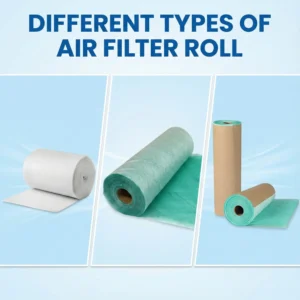 Different Types of Air Filter Roll Material Explained
  The Best Intake Filters for Flawless High-Gloss Finishes
 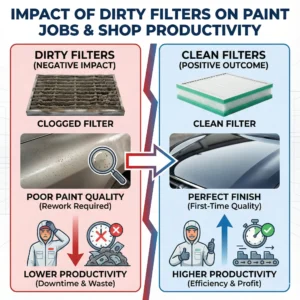 The Impact of Dirty Filters on Paint Jobs and Shop Productivity
  What Are Pre-Filters and Why Are They Essential in Paint Booths?