Why Your Paint Booth Filters Deserve Your Attention
A flawless paint finish is the goal of every project, but frustrating imperfections like dust nibs, uneven texture, and excessive overspray can turn a promising job into a costly do-over. While many factors contribute to a quality finish, the unsung heroes—or hidden culprits—are often the filters within your DIY paint booth. A compromised filtration system doesn’t just ruin a paint job; it strains equipment, wastes materials, and creates an unhealthy work environment. Your filters are the lungs of your spray booth, and giving them the attention they deserve is the first step toward professional-grade results.
The Critical Role of Filters in Paint Quality
At its core, a paint booth is designed to control the environment. Filters are the primary tool for this control. They perform two critical functions: first, they clean the incoming air to prevent dust, debris, and other shop contaminants from landing on your wet product. Second, they capture harmful paint overspray from the exhaust air, protecting your exhaust fans, your shop, and the environment. When this filtration system falters, quality control becomes impossible.
What This Guide Will Cover: DIY Diagnostics and Rapid Solutions
This guide moves beyond the simple advice of “change your filters.” We will empower you to become a filter detective, teaching you how to spot the early warning signs of trouble, diagnose the specific problem at hand, and implement fast, effective solutions. From identifying the root cause of dust in your finish to solving persistent airflow issues, you’ll gain the practical knowledge to maintain your paint booth’s performance and achieve consistently clean results.
Understanding Your Paint Booth’s Filtration System: A Quick Overview
A typical spray booth utilizes a multi-stage filtration system, with each stage serving a distinct purpose. Understanding how these components work together is essential for effective troubleshooting.
Intake Filters: Your First Line of Defense
Located where air enters the booth, intake filters are responsible for removing dust, dirt, and other airborne contaminants from your shop’s ambient air. Their job is to ensure that only clean air enters the painting environment. A clogged or damaged intake filter is a primary source of debris settling into your wet coatings.
Ceiling Filters: Ensuring Clean, Even Airflow
In downdraft or semi-downdraft booths, ceiling or diffusion filters are the final purification stage for incoming air. These high-efficiency filters distribute the clean air evenly and without turbulence across the entire booth. This laminar airflow is critical for controlling overspray and ensuring it is drawn down and away from the product being painted.
Exhaust Filters (Paint Arrestors): Capturing Overspray and Protecting the Environment
Positioned in the exhaust plenum, these are the workhorses of the filtration system. Commonly known as paint arrestors, their primary function is to capture wet paint overspray before it can accumulate in the exhaust ductwork or on the fan blades. Properly functioning exhaust filters protect your ventilation system components, like fans and motors, from being caked with paint, which can cause imbalance, strain, and premature failure.
How the System Works Together: Maintaining Airflow Balance
The entire system—intake, ceiling, and exhaust filters—must work in harmony to maintain proper airflow and a slightly negative or positive pressure, depending on the booth design. When one set of filters becomes clogged, it creates an imbalance that affects the entire ventilation system. For instance, clogged exhaust filters force exhaust fans to work harder, reducing suction and allowing overspray to linger in the booth.
The Foundation: Proactive Maintenance to Prevent Problems
The most effective troubleshooting is preventing problems from occurring in the first place. A consistent filter maintenance schedule is the single most important factor in the long-term performance and reliability of your paint booth.
Establishing a Regular Filter Inspection Routine
Make visual inspections part of your pre-painting checklist. Look for visible signs of loading, discoloration, or physical damage. A simple check can catch a developing issue before it impacts your work. Keeping a log of inspection dates and filter conditions helps you track performance and anticipate replacement needs.
Understanding Filter Lifespan and Replacement Schedules
Filter lifespan is not determined by a calendar but by usage. The volume of painting, the types of coatings used, and the cleanliness of your shop all affect how quickly filters load. While manufacturers provide guidelines, the best indicator for replacement is performance. When you notice a drop in airflow or an increase in contaminants, it’s time for a change.
The Importance of Proper Filter Installation to Prevent Filter Bypass
Even the best paint booth filter is useless if installed incorrectly. Gaps or poor seals around the filter frame allow dirty air to bypass the media entirely, rendering it ineffective. Ensure filters are seated correctly in their holding frames and that any gaskets are in good condition. This prevents unfiltered air and dust from contaminating your clean environment.
Basic Cleaning Routines for Extendable Filter Life
While most paint booth filters are designed for replacement, not cleaning, you can extend their life by maintaining a clean shop. Regularly sweeping and cleaning the area around the booth reduces the amount of ambient dust and debris the intake filters have to capture. This simple housekeeping is a form of proactive filter maintenance.
Spotting the Symptoms: Early Warning Signs of Filter Trouble
Your paint booth will tell you when its filters need attention. Learning to recognize these symptoms allows for quick intervention.
Visible Dust, Debris, or Contaminants on Your Finished Product
This is the most obvious and frustrating sign of filter failure. If you see specks of dust or debris in your clear coat, your intake or ceiling filters are likely compromised, either through clogging, damage, or bypass.
Reduced Airflow or Weak Suction Within the Booth
If you notice that overspray hangs in the air longer than usual or that the pull toward the exhaust fans feels weak, your exhaust filters are almost certainly clogged. The restricted airflow reduces the efficiency of the entire ventilation system.
Uneven Air Distribution or “Dead Spots” in the Spray Area
When airflow feels stronger in some areas and weaker in others, it often points to unevenly loaded ceiling or exhaust filters. This creates turbulence that can disrupt spray patterns and lead to uneven application of coatings.
Excessive Paint Overspray Accumulation on Walls, Floor, or Fixtures
A properly functioning booth pulls overspray directly to the exhaust filters. If you see a rapid buildup of dry paint on surfaces within the booth, it’s a clear indication that the airflow is insufficient to capture it effectively.
Persistent Paint Odors Lingering in the Booth
While some odor is expected, strong smells that linger long after spraying has stopped suggest poor air exchange. This is another symptom of clogged exhaust filters restricting the ventilation system from cycling the air efficiently.
Visible Wear, Clogging, or Damage to Filter Media
A direct visual inspection is your most reliable tool. Filters that are heavily coated with paint, darkened with dirt, or have rips or tears in the media are past their service life and must be replaced immediately.
Diagnostic Deep Dive: Solving Specific Filter Problems
Once you’ve identified a symptom, you can connect it to a specific cause and solution.
1: Dust, Dirt, or Debris in Your Paint Finish
- Likely Cause: Compromised intake or ceiling filters. Air is either bypassing the filter through a poor seal or the filter media itself is saturated and no longer capturing contaminants.
- Solution: Inspect all intake and ceiling filters for bypass (gaps around the frame). Replace any that are visibly dirty, discolored, or damaged. Ensure new filters fit snugly with no gaps.
2: Weak Airflow or Inadequate Ventilation
- Likely Cause: Clogged exhaust filters (paint arrestors). The heavy accumulation of overspray is severely restricting air from leaving the booth, putting a strain on the exhaust fans and motors.
- Solution: Replace the exhaust filters immediately. This is a critical maintenance task for both performance and safety, as severe clogging can overwork fan motors.
3: Uneven Airflow or “Dead Spots”
- Likely Cause: Partially or unevenly clogged ceiling or exhaust filters. One section of the filter bank is more loaded than another, causing air to flow preferentially through the cleaner sections, creating turbulence.
- Solution: Replace the entire set of offending filters (either ceiling or exhaust). Replacing only one or two clogged filters in a bank will perpetuate the imbalance.
4: Excessive Overspray Accumulation or Poor Paint Transfer Efficiency
- Likely Cause: Insufficient airflow due to clogged exhaust filters. The ventilation system cannot create enough velocity to effectively draw overspray away from the product, allowing it to settle on other surfaces or bounce back onto your piece.
- Solution: A full replacement of the exhaust paint booth filter bank is restore proper suction and overspray control.
5: Lingering Paint Odors or Humidity Issues
- Likely Cause: Poor air exchange rate caused by clogged intake and/or exhaust filters. The ventilation system cannot move enough air to clear fumes and moisture effectively, affecting both air quality and the curing temperature.
- Solution: Inspect and replace both intake and exhaust filters as needed to restore balanced, unrestricted airflow.
Advanced DIY Diagnostics: Tools and Techniques for Deeper Understanding
For those who want to move from reactive fixes to proactive management, a few simple diagnostic techniques can provide valuable insight.
Visual and Sensory Inspection: Your Most Important Tools
Never underestimate the power of observation. Regularly look at your filters. Feel the direction and strength of the airflow in different parts of the booth. These sensory inputs are your first and best diagnostic tools.
Simple Airflow Tests: Using a Tissue Paper or Smoke Pencil
You can easily visualize airflow patterns. Hold a lightweight piece of tissue paper or a smoke pencil near the exhaust filters; hold it firmly and steadily toward the filters. Any fluttering, dead spots, or reverse flow indicates a problem with airflow balance, likely caused by a clogged paint booth filter.
 Fiberglass vs. Synthetic Polyester: Which Media is Best for Your Specific Paint?
 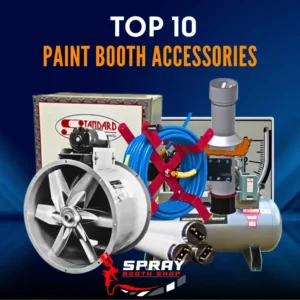 Top 10 Paint Booth Accessories Every Auto Body Shop Must Have for Quality Finishes
  Spray Booth Regulations for Colorado
  Spray Booth Monitoring